← All work

Just Eat Takeaway.com

Head of Product Design, Consumer

Leading consumer design across multiple global markets for one of the world's largest food delivery platforms — helping over 60 million people find and order from their favourite restaurants, groceries, and everyday shops.

Sep 2020 — Oct 2021 60M+ consumers Multi-market Berlin
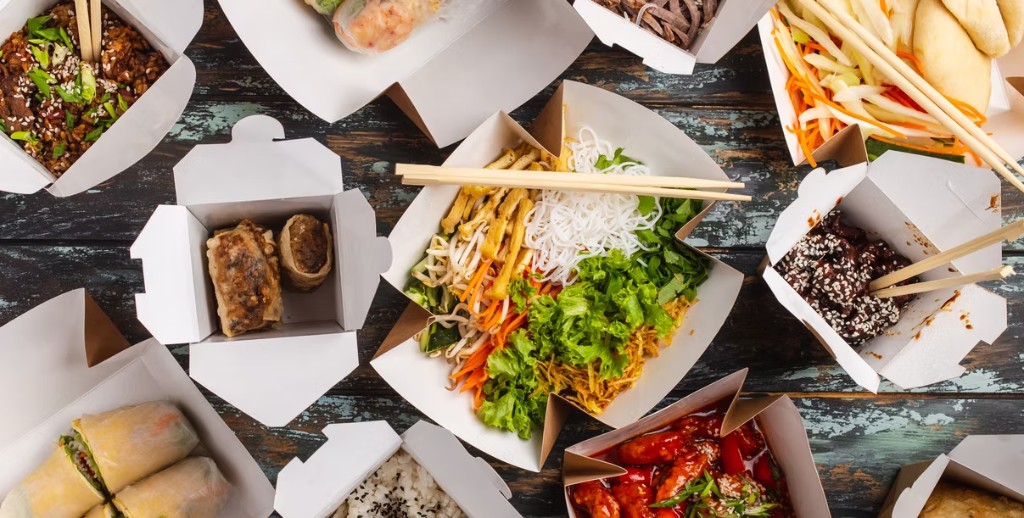
Food delivery takeaway boxes

Consumer design at marketplace scale

Just Eat Takeaway.com connects over 60 million people with restaurants across multiple countries. As Head of Product Design for Consumer, I looked after the design of the consumer experience across all of those markets.

I built and led a 13-person design team, working closely with Product, Engineering, and Data to figure out what to build and why — based on what we were seeing from real users across different markets.

Helping people find what they want, faster

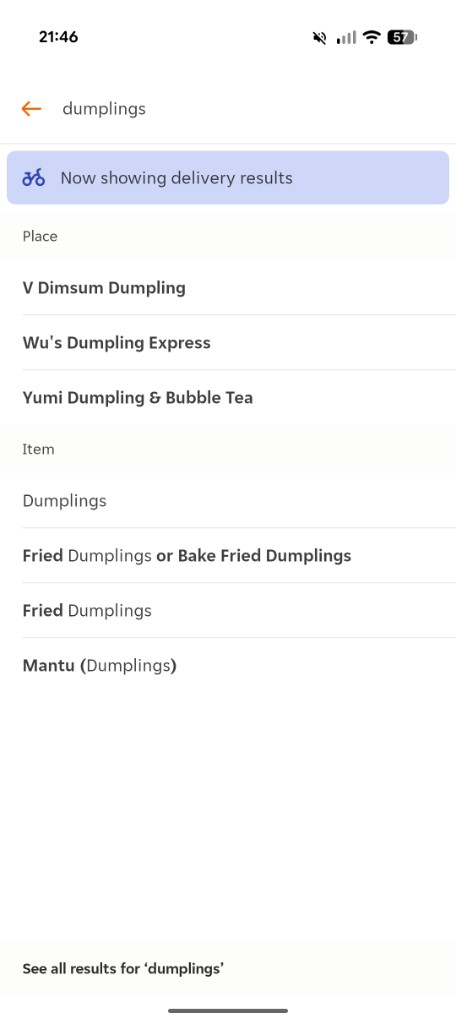
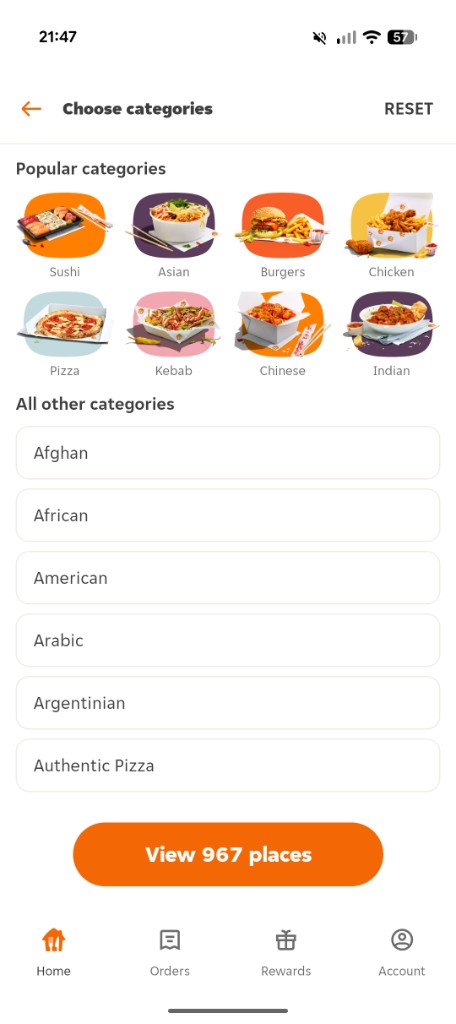
We redesigned search, categories, and filtering to make finding food less overwhelming. Search now returns both places and individual dishes at the same time — so searching "dumplings" shows specialist restaurants and specific dishes from broader menus. We rebuilt category browsing with photo-led navigation for popular cuisines alongside a full list.

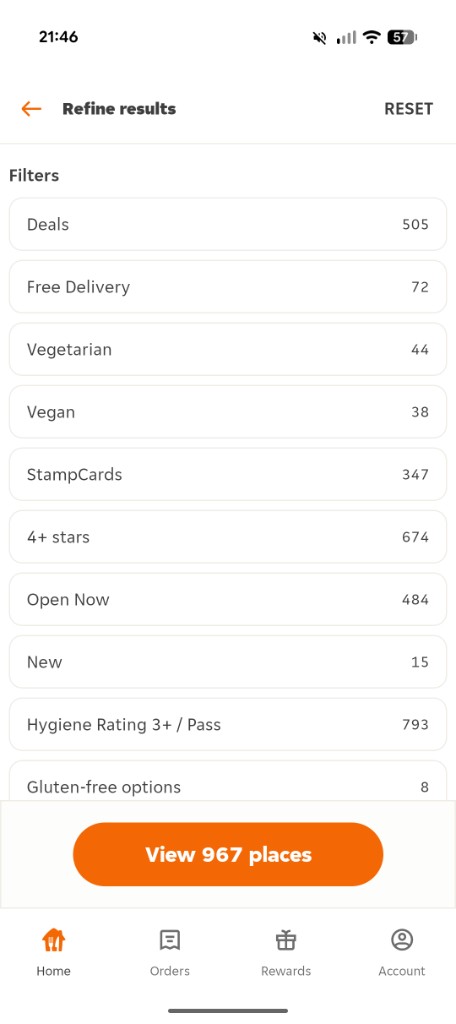
Filters expanded to include dietary needs, deals, hygiene ratings, and quality signals — so people could actually narrow down results in a way that mattered to them.

Restaurant listings were redesigned to show the things people need to make a quick decision — cuisine type, delivery time, fees, minimum order, and ratings — all visible without tapping in.

As the platform grew into groceries, health & beauty, and alcohol, we redesigned the home screen to show these new options alongside restaurants — making it clear what's available without it feeling cluttered.
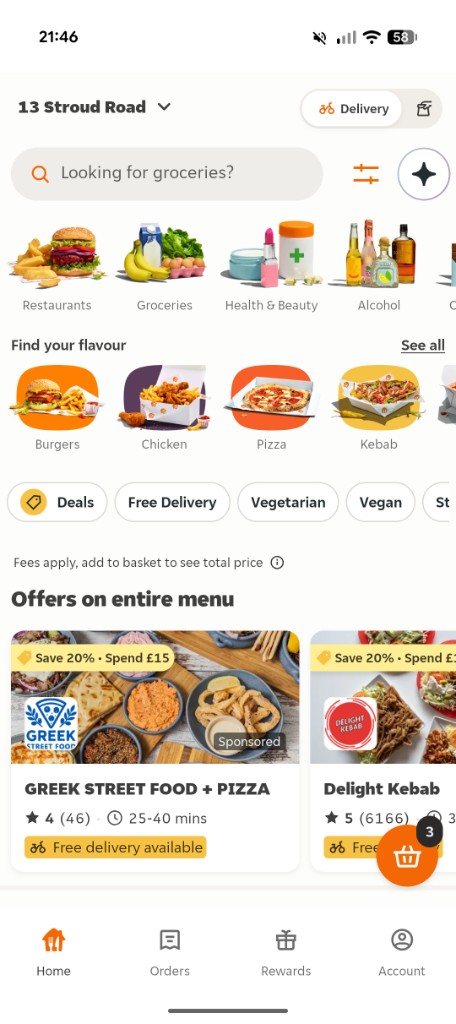
Just Eat home — restaurants, groceries, health & beauty Just Eat search — places and items Just Eat category browsing Just Eat refine results filters

Reimagining checkout from the ground up

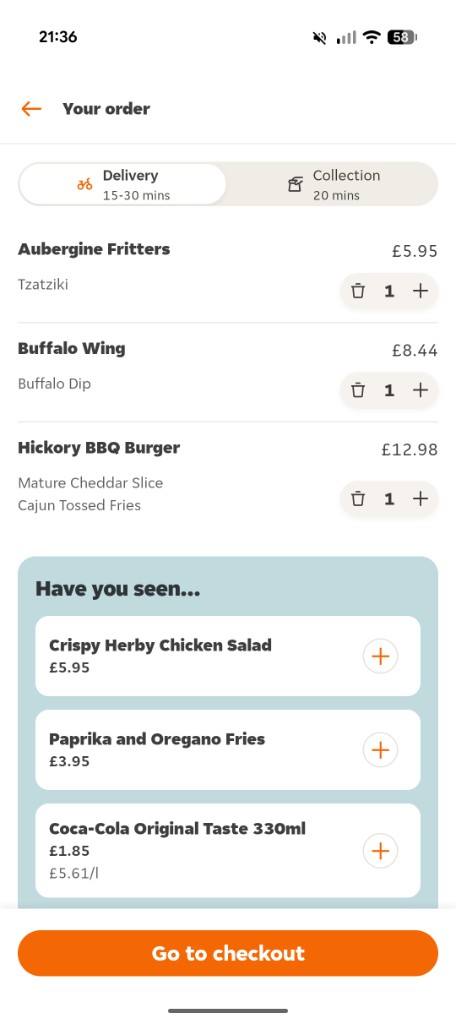
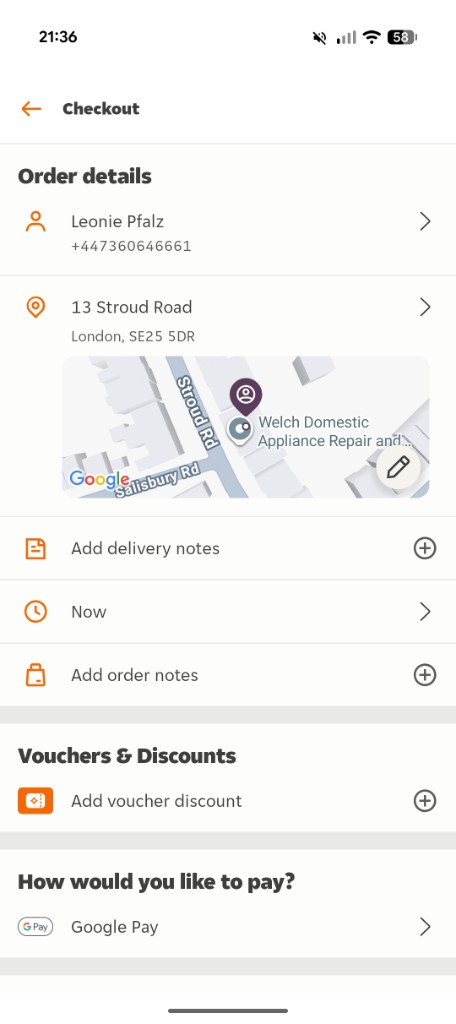
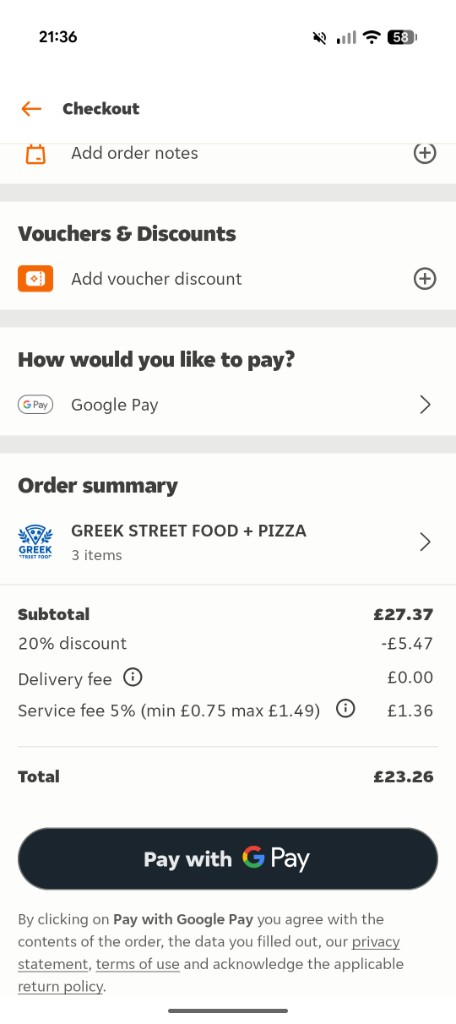
We redesigned checkout from scratch with one goal: make ordering as easy as possible. We collapsed saved details so people didn't have to re-enter things, broke pricing down honestly (subtotal, service fee, delivery fee), and added contextual suggestions that increased order value without getting in the way.

Testing at Google Usability Labs showed that five out of six people weren't sure their address was right — so we redesigned the address flow to be shorter and clearer.

We brought checkout in line across Android and iOS, shipping improvements to Android along the way rather than making people wait for the full redesign.

Every change was tested with real users and rolled out gradually. We built the checkout to keep getting better over time, not just to look good on launch day.

Just Eat basket with upsells Just Eat checkout — order details Just Eat checkout — payment and order summary

Scaling design across markets and brands

I grew the team from a small group to 13 people — hiring, coaching, and building the structures so designers could do good work inside a fast-moving, data-driven organisation.

Designers sat within product squads alongside PMs, engineers, and data analysts. We used A/B testing and hypothesis-driven design as the default way of working — so every improvement was based on evidence, not opinion.

After the Just Eat + Takeaway merger, I led the rollout of a shared design system across markets and brands. It meant consistent patterns, faster feature rollout, less duplication, and better accessibility across the board.

The system was built to work across different markets without losing coherence — so the product could grow internationally while still feeling like one thing.

Key outcomes

1M+ Estimated additional orders yearly from search & discovery improvements (iOS)
+5% Order completion rate increase from checkout redesign
60M+ Consumers served across the global marketplace

Why this experience matters

  • Cross-vertical consistency: Unifying product identity and UX quality across a massive post-merger organisation — aligning teams with different design languages around a shared standard so the experience felt coherent wherever you were in the product
  • Leading the product vision: Working with Product, Engineering, and Data partners to define the consumer experience vision — shaping what we built and why, not just how it looked
  • Designing across markets: Multiple countries with different expectations, conventions, and regulations — requiring a company-wide lens on how design decisions scale
  • Making complexity feel simple: Redesigning search, checkout, and order tracking so that a growing, multi-category platform still felt effortless to use